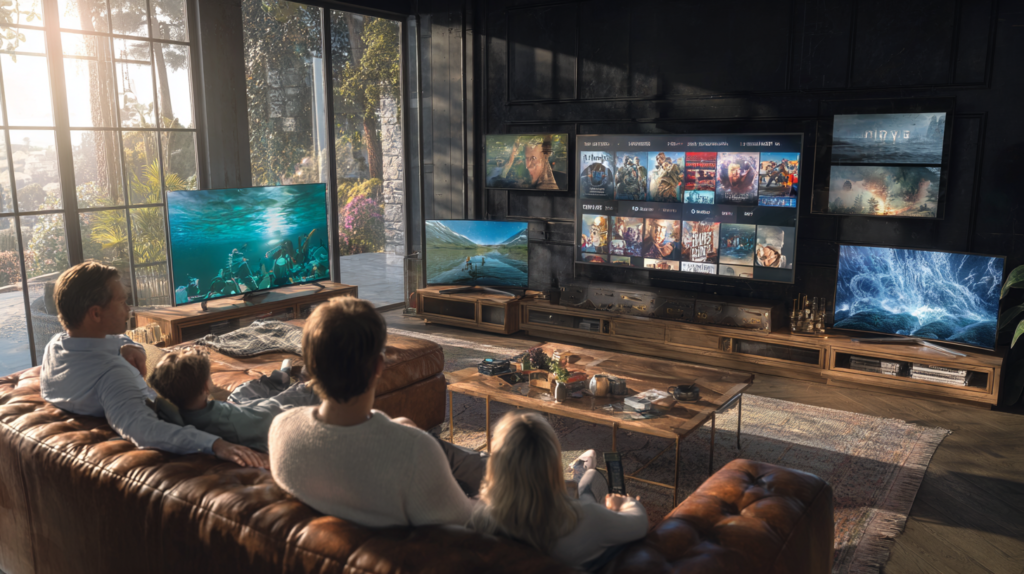
IPTV (Internet Protocol Television) is a method of streaming TV shows, movies, and live events using internet connections rather than traditional satellite or cable systems. IPTV refers specifically to high-definition content that delivers superior image quality and clearer sound when compared to standard-definition (SD) or regular IPTV. In IPTV, content is streamed in resolutions such as 1080p, 1440p, and 4K, providing viewers with a crisp, clear viewing experience.
How IPTV HD Works
Unlike traditional broadcast methods, IPTV uses the internet to transmit content directly to your devices. This type of service requires a broadband internet connection with sufficient bandwidth to handle high-definition video. IPTV services deliver content via an internet service provider (ISP) and may use either an on-demand model or live-streaming technology. The quality of the IPTV experience depends on the internet connection speed, with higher speeds required for smooth playback of HD content.
Benefits of IPTV HD
Superior Picture and Sound Quality
One of the major advantages of IPTV is the enhanced picture and sound quality. With a resolution of 1080p or even 4K, IPTV offers a sharp, detailed image that standard-definition TV simply cannot match. This resolution allows for a more immersive viewing experience, especially when watching high-action sports events, movies, or concerts.
Additionally, IPTV services often come with enhanced audio features like Dolby Digital and DTS sound, providing cinematic sound quality that further elevates the viewing experience.
Access to a Wide Range of Channels
IPTV offers a vast array of channels, covering everything from sports and movies to international news and niche content. Unlike cable or satellite TV, IPTV services are not limited by regional broadcast constraints, giving users access to content from around the world. This opens up opportunities to watch international shows, live sports, and on-demand video content, all in high-definition quality.
Many IPTV providers also offer video-on-demand (VOD) libraries that include movies, TV series, documentaries, and more, allowing users to watch content whenever they choose.
Cost-Effectiveness and Flexibility
IPTV tends to be more affordable than traditional cable or satellite services. Subscription models are flexible, allowing customers to pay for the channels they want to watch, reducing unnecessary costs. Many IPTV services also provide additional features like recording capabilities, allowing users to watch their favorite shows and movies at their convenience.
The ability to access content across multiple devices adds to the cost-effectiveness. Whether you’re watching on your smart TV, laptop, or mobile device, IPTV services provide an affordable solution that meets modern viewing habits.
How to Set Up IPTV HD
Choosing the Right IPTV HD Service Provider
Selecting a reliable IPTV service provider is essential for ensuring you get a good quality service. It’s important to consider factors like available channels, streaming quality, and customer service. Popular providers offer extensive channel selections and a range of features, but it’s best to read reviews and ask for recommendations before committing.
Popular Providers:
XtremeHD IPTV
Area 51 IPTV
IPTV Trends
RocketStreams
Required Devices for IPTV HD Streaming
To stream IPTV content, you’ll need a compatible device. Here are the common devices required for IPTV streaming:
Smart TVs: Most modern smart TVs support IPTV apps directly.
Set-Top Boxes: Devices like MAG boxes or IPTV-specific receivers are commonly used for accessing IPTV HD content.
Mobile Devices: Smartphones and tablets are perfect for on-the-go IPTV viewing.
Streaming Devices: Roku, Amazon Firestick, and Apple TV are popular choices for IPTV streaming.
Installation Process
Setting up IPTV typically involves downloading an IPTV app or using a set-top box. You’ll need to connect your device to your Wi-Fi or Ethernet network and enter the activation details provided by your IPTV service provider. Afterward, you can begin watching content in HD on your preferred device.
IPTV HD vs Traditional Cable and Satellite TV
Cost Comparison
When it comes to price, IPTV is typically more affordable than traditional cable and satellite TV services. Cable packages can be expensive, often bundling channels you don’t need, while IPTV services offer more customization. You only pay for the channels and content you want, making it a cost-efficient solution for TV lovers.
Channel Variety and Customization
IPTV offers a wider variety of channels compared to traditional cable. The flexibility of IPTV allows you to choose from international networks, niche channels, and on-demand content. Cable and satellite, on the other hand, often require you to pay for packages filled with channels you may never watch.
Flexibility in Viewing
One of the biggest advantages of IPTV over cable and satellite is its flexibility. With IPTV HD, you can stream your favorite shows on-demand, anytime and anywhere, using various devices like smartphones, tablets, or smart TVs. In contrast, cable and satellite TV typically rely on fixed schedules, limiting your ability to watch shows at your convenience.
How to Stream IPTV HD on Different Devices
Streaming on Smart TVs
Most modern smart TVs support IPTV apps directly, allowing you to access your IPTV content without additional devices. Apps like Smart IPTV, SS IPTV, and others are compatible with platforms like LG WebOS, Samsung Tizen, and Android TV. Simply download the app, enter your IPTV service details, and enjoy HD streaming.
Using Mobile Devices
For on-the-go viewing, IPTV can be streamed on mobile devices such as smartphones and tablets. Apps for both Android and iOS platforms allow you to watch HD content wherever you are, as long as you have an internet connection. Some IPTV services also offer mobile-exclusive channels or content.
IPTV HD on Desktop PCs and Laptops
Watching IPTV on a desktop or laptop is easy with browser-based players or dedicated apps. Software like VLC media player or desktop-based IPTV players allows you to input your IPTV provider’s details and watch high-quality content directly from your PC or Mac.
Streaming with Devices like Roku and Firestick
Streaming boxes such as Roku, Amazon Firestick, and Apple TV make it easy to stream IPTV HD on your regular TV. Simply install the IPTV app, input the necessary credentials, and start watching HD content without the need for a cable subscription.
Common IPTV HD Issues and Troubleshooting
Buffering and Lag Issues
Buffering and lag are common issues with IPTV streaming, often caused by insufficient internet speeds. To fix this, ensure you have a reliable and fast internet connection—preferably 10 Mbps or higher for HD streaming. Upgrading your router or using an Ethernet connection can also help improve streaming quality.
Poor Picture or Sound Quality
If your IPTV service has poor picture quality, check your device’s resolution settings. Make sure you’re using a 1080p or 4K-compatible device. Also, check the settings for audio enhancements like Dolby Digital to ensure optimal sound.
Connectivity Problems
Sometimes, connectivity issues can prevent IPTV from working properly. To resolve this, restart your router, check for any service outages, and ensure your device is properly connected to your Wi-Fi or Ethernet network.
App Crashes and Glitches
If your IPTV app crashes frequently, try updating it to the latest version. If that doesn’t work, reinstall the app or try using a different app for your device.
Is IPTV HD Legal?
Understanding Legal Implications
While IPTV itself is legal, using unlicensed or unauthorized IPTV services can lead to legal problems. Ensure you are using a legitimate IPTV service provider to avoid issues. Unauthorized streaming services may not only violate copyright laws but also put your personal data at risk.
Ensuring Legal IPTV Services
To ensure you are using a legal IPTV service, verify the provider’s legitimacy by checking reviews, certifications, and whether they offer licensed content. Avoid free IPTV services that seem too good to be true, as they may not comply with copyright laws.
The Future of IPTV HD
Upcoming Trends
The future of IPTV looks bright, with improvements in streaming quality, such as the transition to 4K and even 8K content. The integration of Artificial Intelligence (AI) for content recommendations and personalized viewing experiences is also on the horizon.
The Impact of 5G on IPTV HD
5G technology will revolutionize IPTV streaming by offering faster, more reliable internet speeds. This will allow users to stream HD and 4K content seamlessly, even on mobile devices, and enhance the overall IPTV experience.
Artificial Intelligence in IPTV
AI has the potential to transform IPTV by providing personalized content recommendations, adaptive streaming quality based on available bandwidth, and even voice-controlled navigation for a more intuitive user experience.
FAQs
What is the difference between IPTV HD and traditional HD TV? IPTV uses the internet to stream content, while traditional HD TV uses satellite or cable. IPTV offers more flexibility, customization, and on-demand content.
How much bandwidth do I need for IPTV HD? To stream IPTV content in 1080p, you’ll need at least 5 Mbps of download speed. For 4K, a minimum of 25 Mbps is recommended.
Can I watch IPTV HD on multiple devices at once? Yes, many IPTV services allow streaming on multiple devices simultaneously, depending on your subscription plan.
How do I cancel my IPTV HD subscription? Most IPTV providers offer an easy cancellation process through their website or app. Contact their customer support if you encounter any issues.
Conclusion
IPTV offers an exciting alternative to traditional cable and satellite TV, providing superior picture and sound quality, flexibility, and access to a wide range of content. By choosing the right provider and devices, setting up IPTV is simple, and troubleshooting common issues is straightforward.
As technology continues to advance, IPTV is poised to revolutionize the way we consume television content, making it a great choice for viewers looking for flexibility and high-quality streaming. Financial analysts often monitor market trends to predict how these services will impact traditional media stocks.
For those looking to optimize their home setup, many tech reviews highlight the importance of choosing hardware that supports the latest codecs and high-speed connectivity.